
Get a free quote
Thank you for contacting us. We will get back to you as soon as possible.
Oops, an error occurred while sending your message.
Please try again later.
Load-Bearing Wall Removal in Toronto
Many Toronto homes built in the late 1800s through the mid-1900s were framed using balloon construction, where studs run uninterrupted from the sill plate to the rafters and interior walls carry loads in ways that are not always obvious from a visual walk-through, making a genuine structural assessment an essential first step before planning begins. At Rebuild The Planet, our crew has been framing low-rise residential construction across the GTA since 1997, and we begin every project by reading your home's specific framing system to confirm exactly which walls are structural, how those loads distribute across your floors, and what replacement beam and post specifications are needed before a permit is filed. Load-bearing wall removal in Toronto demands that depth of local framing knowledge, and we manage both the structural engineering and permit coordination and the framing work itself so your open-concept project is handled as a single accountable process from the first site visit through to the final inspection.
Every replacement beam we install is sized to match the actual load profile of your specific home, taking into account whether your wall carries a single floor above, a stacked load from two or three storeys, or a roof load transmitted through older framing in one of Toronto's brick semi-detached or detached homes. Load-bearing wall removal in Toronto projects in pre-war row houses on the Danforth or mid-century homes in North York often call for beam depths and post footings that differ significantly from a standard suburban bungalow, and our nearly three decades of local framing experience means we read those distinctions correctly before the first cut is made. Our included warranties cover the structural framing work after completion, and our 24/7 availability means that if an unexpected condition surfaces mid-project, we address it immediately rather than leaving your home in a partially open state.
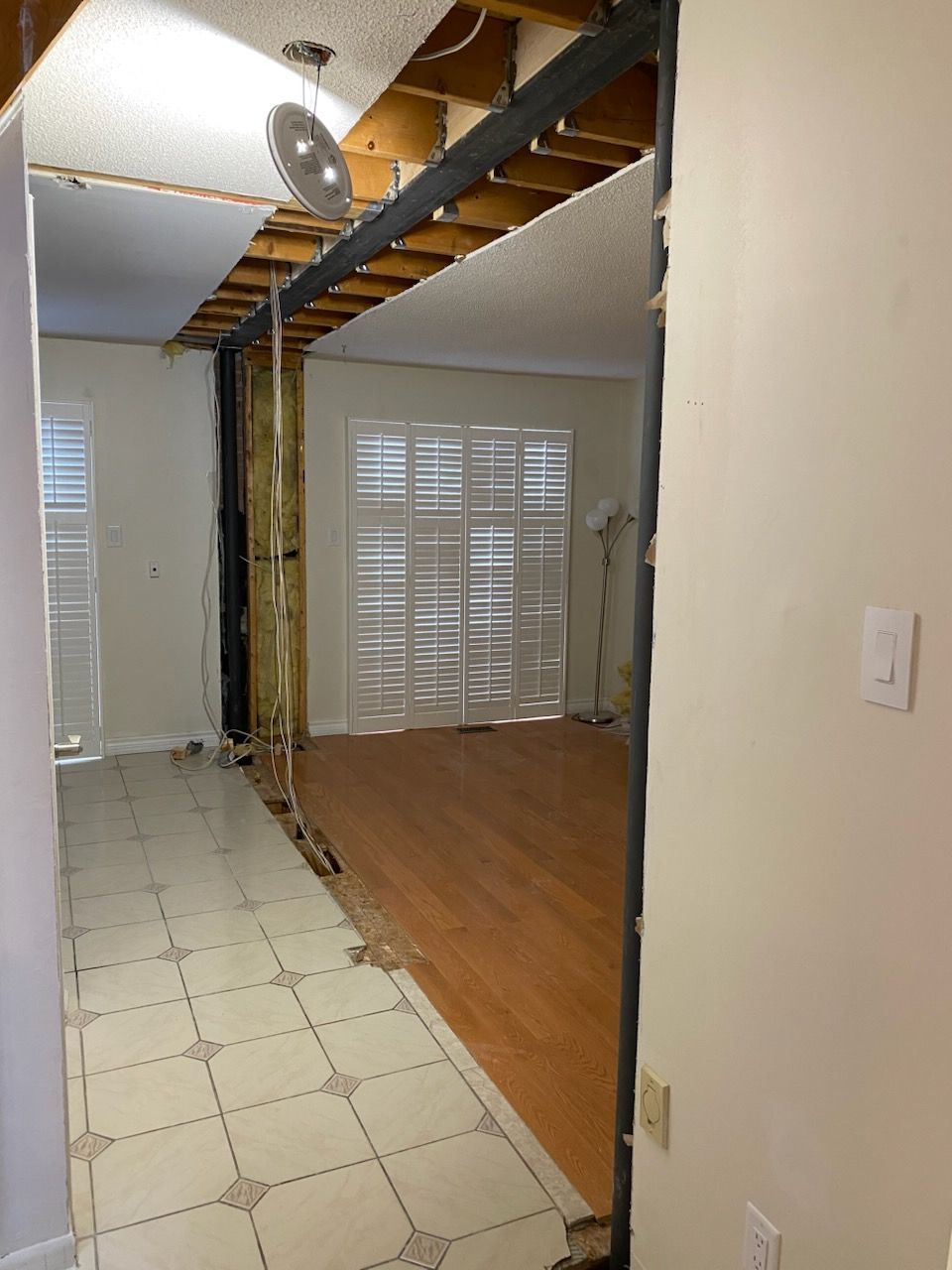
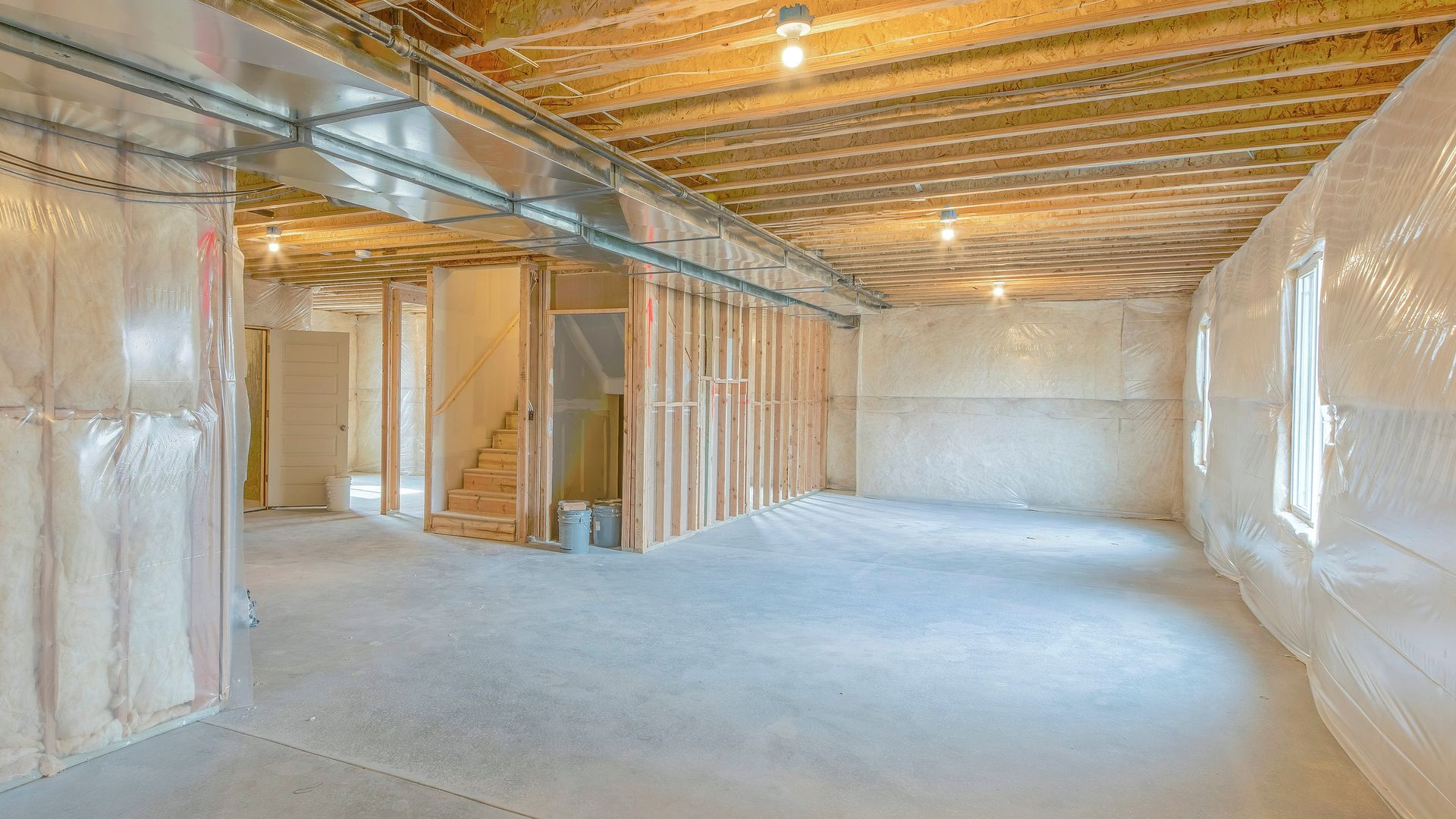
Beneath the drywall of many post-war Toronto bungalows and Victorian-era homes, structural wall removal uncovers conditions that require immediate attention before framing begins: undersized floor joists carrying more load than originally intended, masonry walls functioning as load-bearing elements, or decades-old electrical and plumbing runs that need to be relocated before any structural work can safely proceed. Our team manages this full scope of discovery and trades coordination, keeping your project on track under one accountable crew rather than requiring you to manage separate contractors across engineering, framing, and mechanical work. Load-bearing wall removal in Toronto homes built before the 1960s consistently benefits from this integrated approach, and we prepare complete permit packages including stamped structural drawings so your application advances through the city review queue without unnecessary back-and-forth.
How do I know if a wall in my Toronto home is load-bearing?
In Toronto's older housing stock, the most reliable first indicator is wall orientation relative to the floor joists directly above: a wall running perpendicular to those joists is almost certainly carrying structural loads, and this pattern is especially consistent in Victorian and Edwardian-era homes in the downtown core and inner neighbourhoods where centre walls were routinely built as bearing elements to carry multiple floors of live and dead load all the way down to the foundation. A proper structural assessment goes further than that visual check, examining your attic framing for load paths from the roof, the basement structure below for evidence of load concentration, and any existing beams that may already be redistributing loads from a previous renovation. For a complete load-bearing wall removal in Toronto , that assessment establishes the correct beam span and depth, determines post placement, and identifies whether your foundation needs reinforcement at the new bearing points, because no general rule of thumb reliably replaces a professional structural evaluation for a residential construction type as varied as this city's.
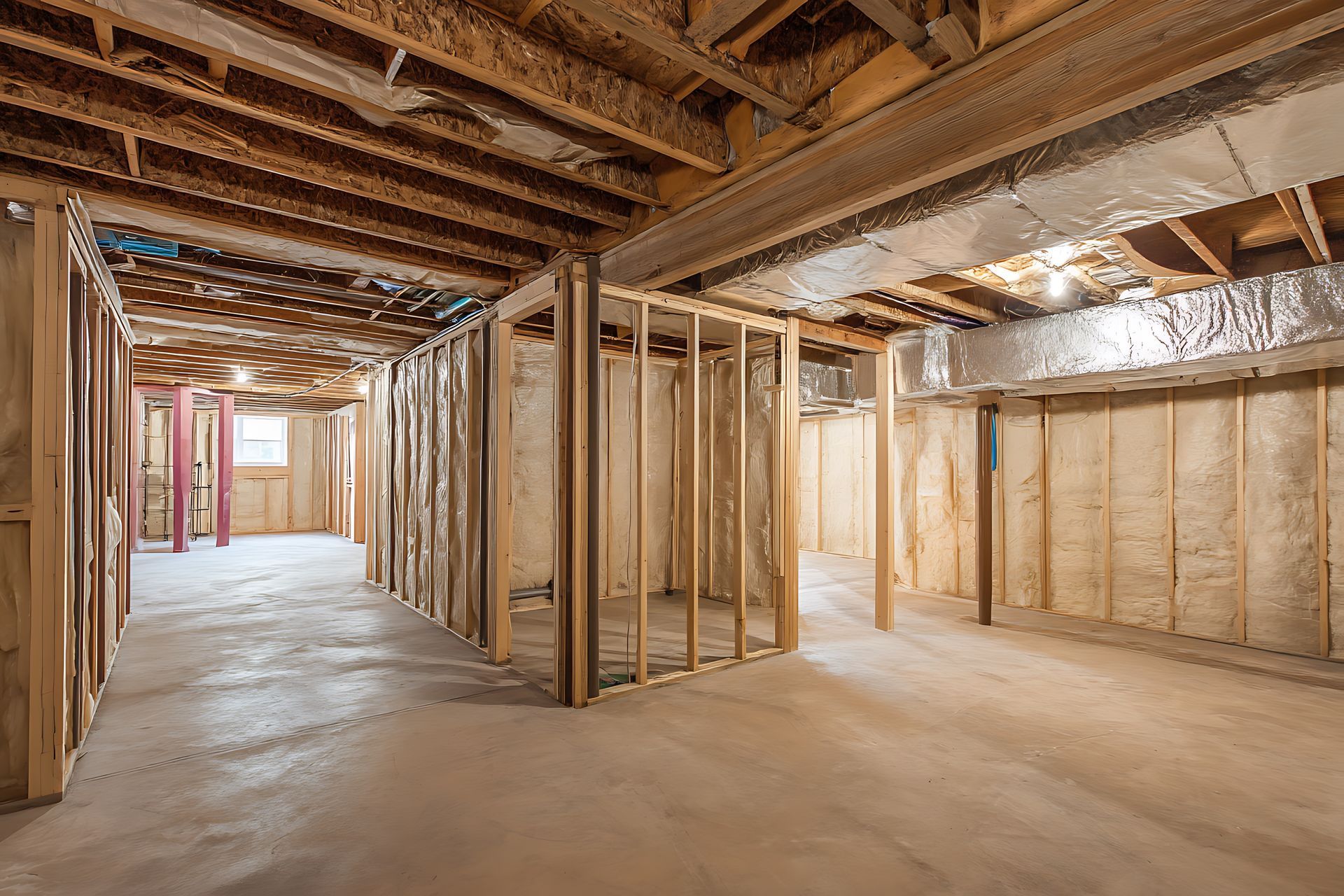
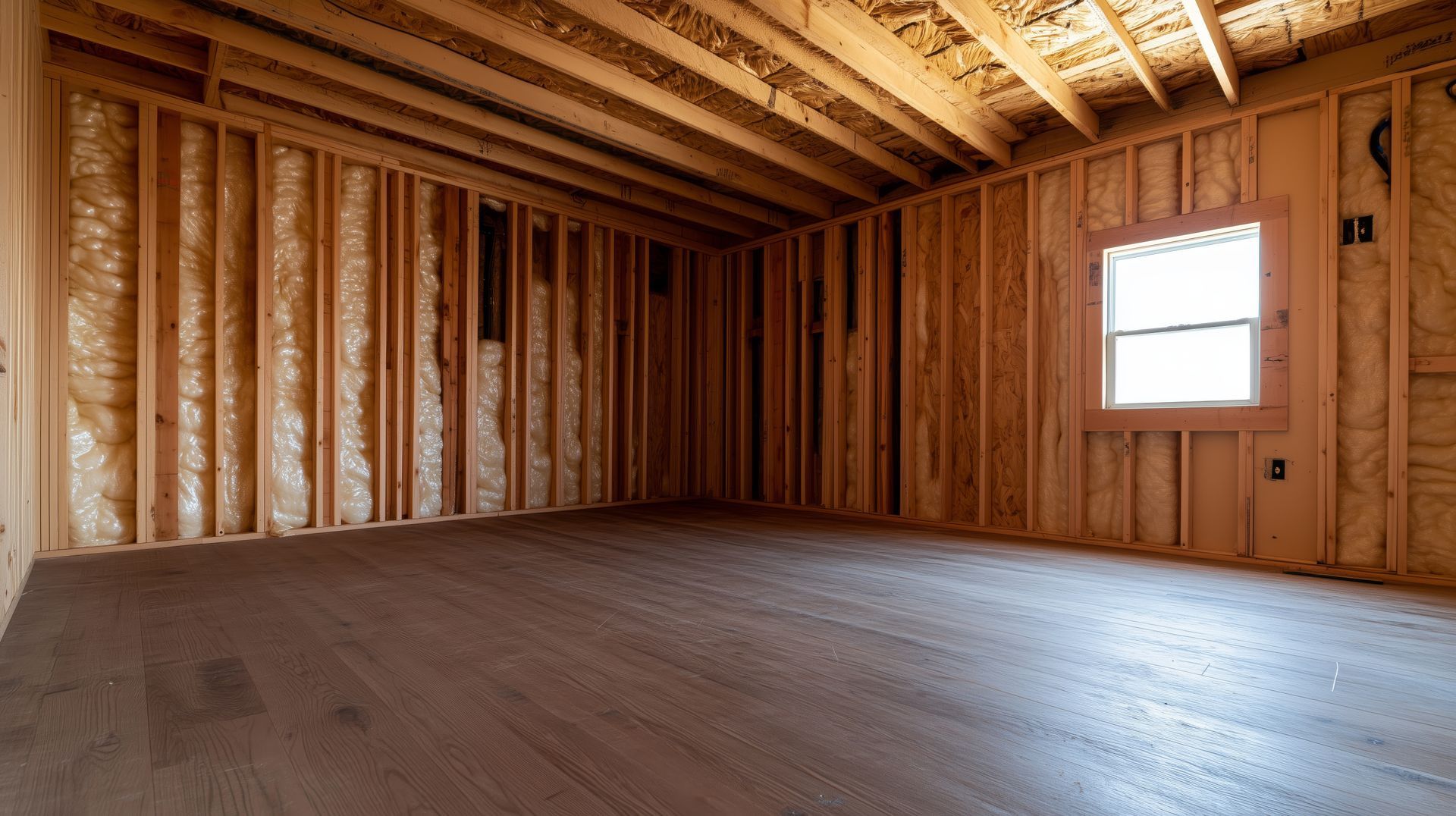
The project begins with a structural assessment that confirms the wall is load-bearing and maps how those loads travel through your home's framing system, which informs every engineering and permit decision that follows. A structural engineer then produces stamped drawings specifying the replacement beam size and material, the post dimensions, and any foundation work required, and we submit that complete package to the city for a residential structural alteration permit, a process that can take from a few weeks to over two months in Toronto depending on project complexity and the review queue. Once the permit is issued, our crew installs temporary shoring walls on both sides to redirect the load above before demolition starts, the beam goes in after the wall comes down, and we coordinate the final building inspection to close out the permit and leave you with a clean, code-compliant open-concept renovation.
What does the load-bearing wall removal process look like from start to finish?
Why Rebuild The Planet Is the Right Choice for Open-Concept Renovations in Toronto
Toronto's older neighbourhoods, from the Victorian streetscapes of Cabbagetown to the post-war bungalow streets of North Etobicoke, are filled with homes built in compartmentalized layouts that no longer reflect how families use their space, and structural wall removal is the trade skill that makes open-concept living achievable in those buildings without compromising their structural integrity. Our crews have worked in low-rise residential construction across the GTA since 1997 and are experienced with balloon framing, solid masonry bearing walls, and early platform construction, the framing systems that define the pre-war and mid-century residential stock found across the inner city and require a different level of structural literacy than newer builds. Every load-bearing wall removal in Toronto we manage includes full structural engineering coordination, permit handling, temporary shoring during demolition, and included warranties on the framing work, so your project is supported at every stage from the initial assessment through to the final building inspection.

